
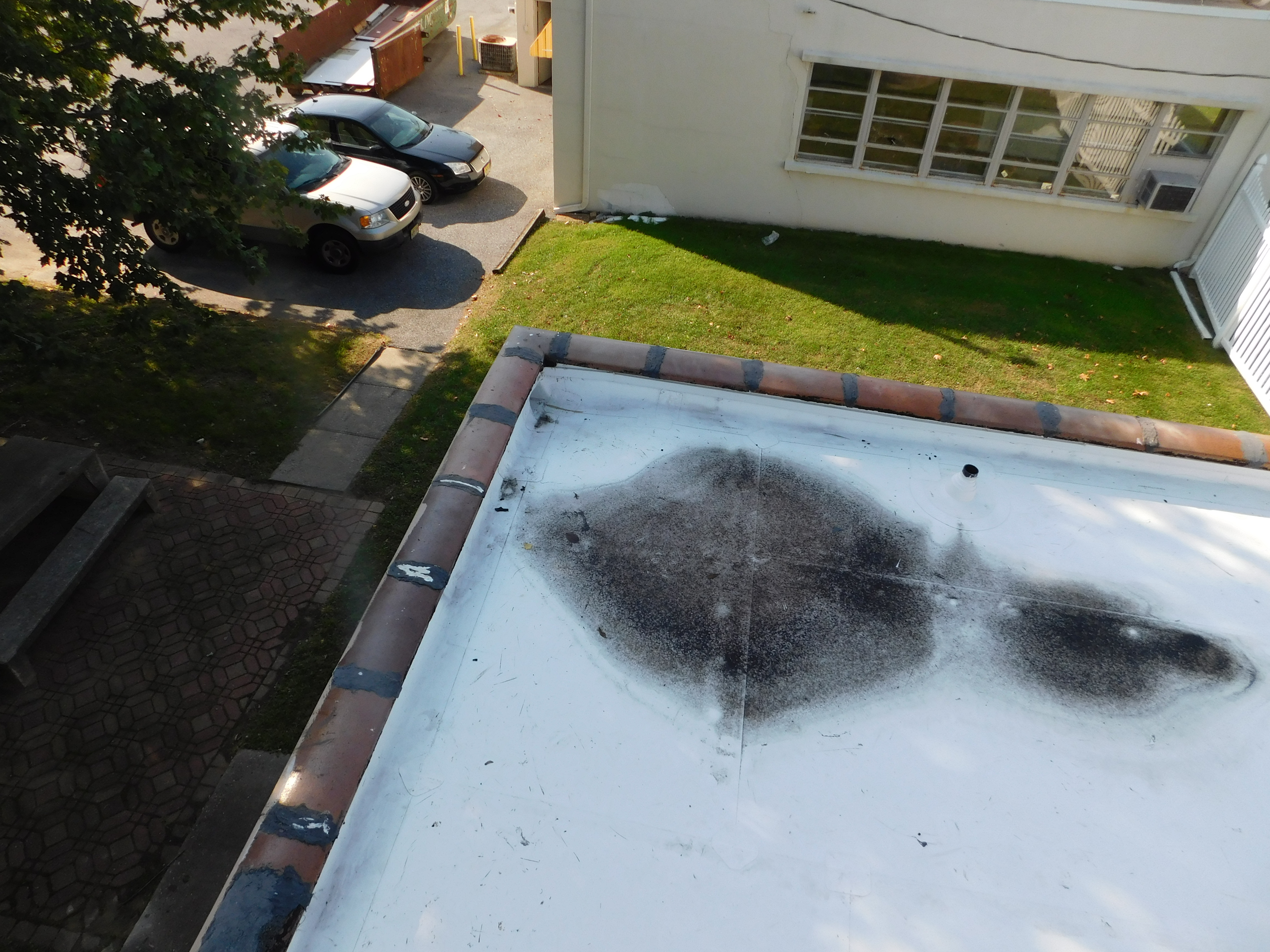
The Benefits of Regular Roof Maintenance for Warehouses and Industrial Facilities
For warehouses and industrial buildings, the roof is one of the most critical components of the entire operation. It protects inventory, equipment, and staff while preventing costly disruptions caused by leaks, structural damage, and environmental exposure. Regular roof maintenance isn’t just a good practice—it’s an essential investment that extends the life of your roofing system and safeguards your facility’s productivity.
1. Prevents Major Damage Before It Starts
Small issues like loose flashing, minor punctures, clogged drains, or membrane wear can quickly escalate into major leaks and structural problems. Routine inspections and preventative maintenance allow you to identify and fix minor concerns long before they become emergencies. This proactive approach helps avoid unexpected shutdowns, inventory loss, and costly repairs.
2. Extends the Lifespan of Your Roof
Industrial roofing systems are built to last, but even the highest-quality materials degrade over time when exposed to weather, debris, and heavy rooftop equipment. Regular maintenance—cleaning, sealing, reinforcing seams, and checking drainage—significantly increases the lifespan of the roof. This means fewer replacements and a much better return on your investment.
3. Improves Energy Efficiency
A well-maintained roof provides consistent insulation and reduces air leakage, helping regulate indoor temperatures more effectively. When membranes deteriorate or insulation gets wet, HVAC systems must work harder to maintain climate control. Maintenance helps preserve energy performance and keeps utility costs stable, especially for temperature-sensitive facilities like warehouses and manufacturing plants.
4. Minimizes Risk of Business Interruptions
Water intrusion and structural problems can halt operations unexpectedly. Routine maintenance reduces the risk of downtime by ensuring the roof remains secure, stable, and ready to handle severe weather. This is especially important for industrial facilities where interruptions are costly and can impact supply chains.
5. Helps You Stay Compliant With Insurance and Warranty Requirements
Many roofing warranties—and some insurance policies—require documented, regular maintenance. Staying on top of inspections and repairs ensures your coverage remains valid and helps protect against denied claims in the event of damage